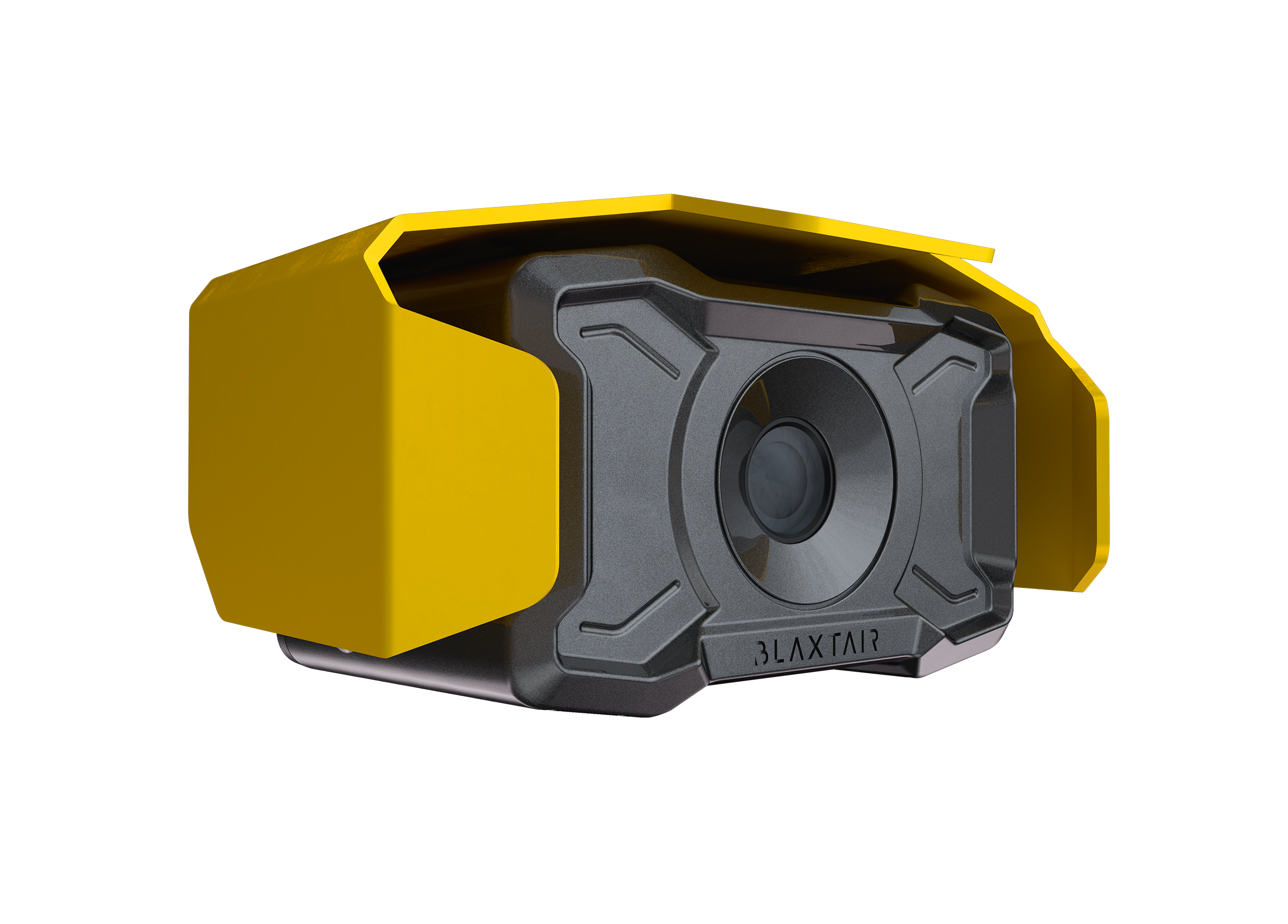
FAQ — Blaxtair AI Cameras
What is a Blaxtair AI pedestrian detection camera and how does it work?
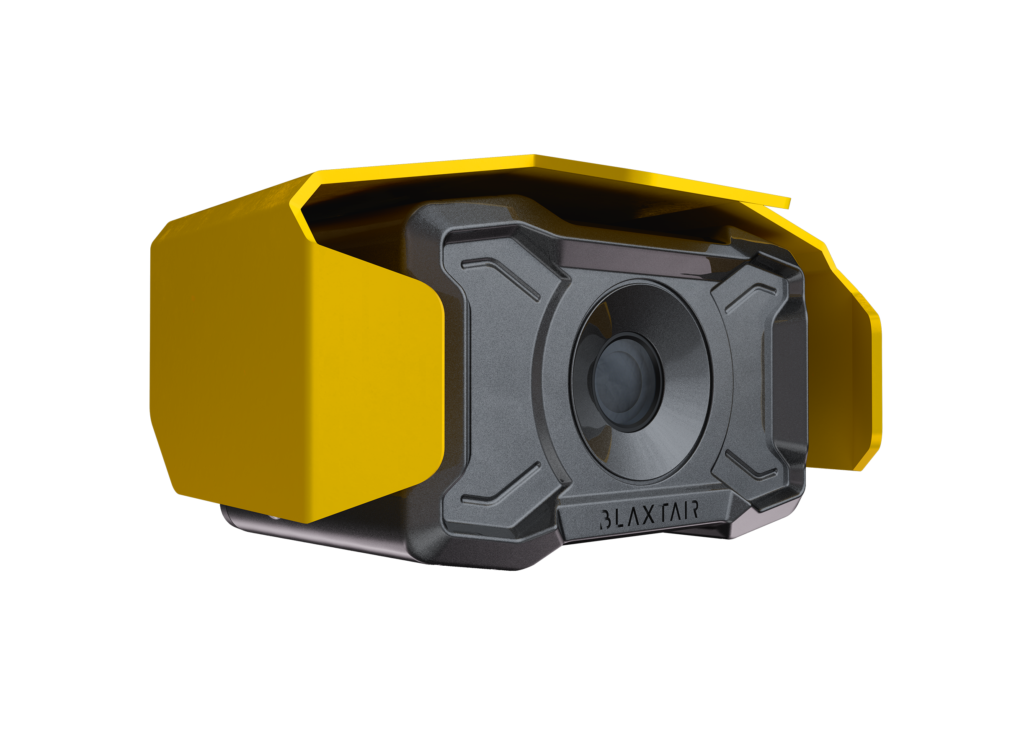
The Blaxtair BXT5 is an onboard AI-powered camera that detects and locates pedestrians in real time around heavy machinery. It uses 3D vision technology to alert the operator in less than 300 milliseconds (faster than the blink of an eye!).
The Blaxtair 5 camera can detect a pedestrian even when crouching or only partially visible (for example, just a leg). Both the operator and the pedestrian are alerted visually and audibly, but only when a worker enters the preconfigured and adjustable detection zone.
What is the difference between Blaxtair and a standard backup camera system?
A backup camera simply displays an image — that’s all. Blaxtair understands what it sees. Thanks to its embedded Artificial Intelligence, it analyzes every image in real time, identifies people (standing, crouching, or partially visible), evaluates the level of risk, and triggers a targeted alert.
It can also record detection events and transmit data to a safety management dashboard through the optional connected module, Blaxtair Connect.
Does Blaxtair work in harsh mining and industrial environments?
Yes. Blaxtair technologies are specifically designed for the most demanding environments: intense vibrations, impacts, dust, mud, and extreme temperatures ranging from -40°C to +85°C.
The camera is IP69K certified, meaning it withstands high-pressure water jets and immersion. This is why it is widely used in mines, quarries, recycling centers, and municipal operations around the world.
Do pedestrians need to wear badges or tags for the system to work?
No. One of Blaxtair’s greatest advantages is that it does not require workers to wear any equipment. Detection is fully visual and autonomous.
This greatly simplifies deployment on-site, eliminating the costly purchase and management of tags.
What types of machines can Blaxtair cameras be installed on?
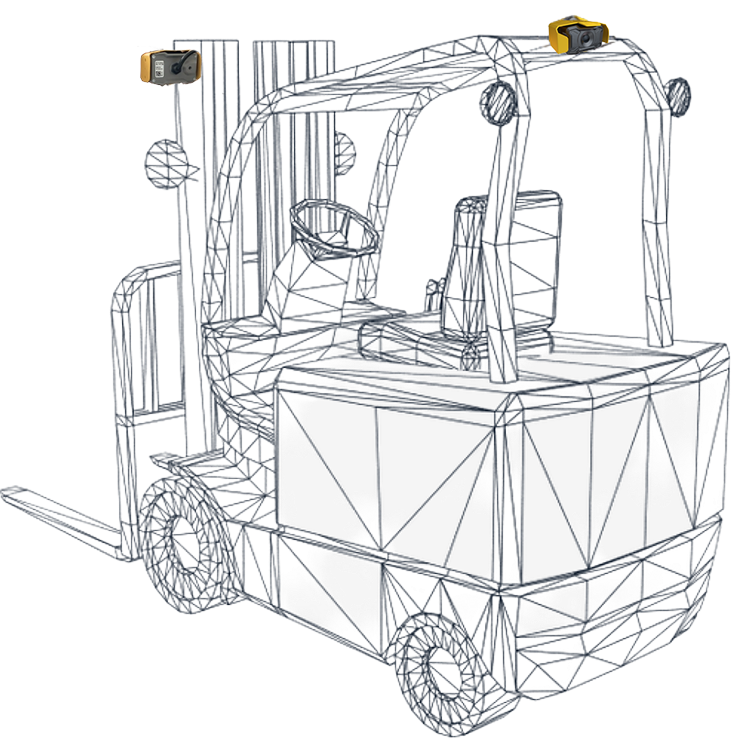
Blaxtair BXT5 is compatible with all types and brands of heavy equipment, including forklifts, wheel loaders, excavators, dump trucks, telehandlers, graders, refuse trucks, and municipal vehicles.
The detection zone can be adjusted in both length and width depending on the machine type and application.
How long does it take to install a Blaxtair system on a vehicle?
The installation is designed to be fast and efficient. In most cases, a certified technician such as those at RMT Équipement can complete the installation and operator training in a single day per machine.
Certain models, such as the Blaxtair 5 ECO, can even be installed by the customer at a rate of up to two systems per technician per day.
What is Blaxtair Connect and what is it used for?
Blaxtair Connect is the optional cloud-based IoT module for the system.
It allows health and safety managers to monitor real-time detection data across the entire fleet: which machines present the highest risks, where and when incidents occur most frequently, and how effective the implemented preventive measures are.
It is a powerful tool for HSE managers looking to move from a reactive approach to a proactive safety strategy.
Does Blaxtair help companies comply with workplace health and safety regulations in Quebec?
Yes. Quebec’s Occupational Health and Safety Act (LSST) requires employers to take the necessary measures to protect workers from risks related to moving machinery.
An AI detection system like Blaxtair constitutes a documented and recognized technical preventive measure. In addition, event data recorded by Blaxtair Connect can serve as supporting evidence during compliance audits or accident investigations.
What is the difference between Blaxtair and other proximity detection systems?
Most proximity detection systems rely on ultrasonic technology. These systems detect the presence of an object without knowing whether it is a person, a pillar, or another vehicle.
They are also heavily affected by environmental conditions such as snow, mud, and ice, often stopping operation or generating false detections when obstructed.
Blaxtair, powered by AI, continues to operate in extreme conditions, even with a dirty lens.
Is RMT Équipement a certified Blaxtair distributor in Quebec?
Yes. RMT Équipement is the exclusive Canadian distributor for Blaxtair solutions.
RMT keeps all models in stock and operates as a certified technical service center capable of repairing both previous-generation products (Blaxtair3, MR90, MR180) and new-generation products (Origin, MR120, BXT5 ECO, BXT5 PRO).
AI camera for heavy equipment, forklift pedestrian detection, mining safety solutions, Blaxtair Quebec, Blaxtair Canada, industrial anti-collision system, RMT Équipement, onboard vision systems for heavy vehicles.





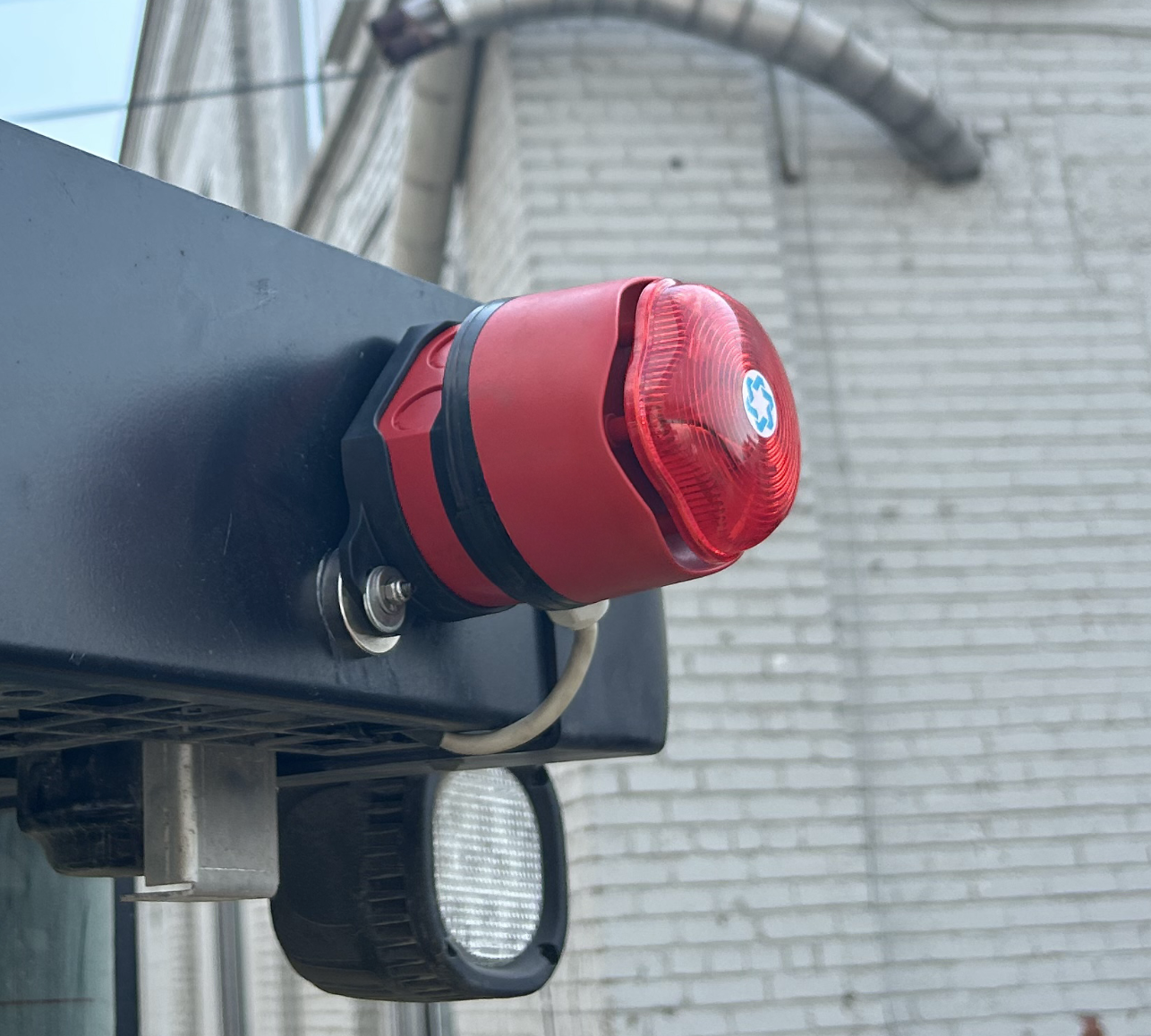 Beacon
 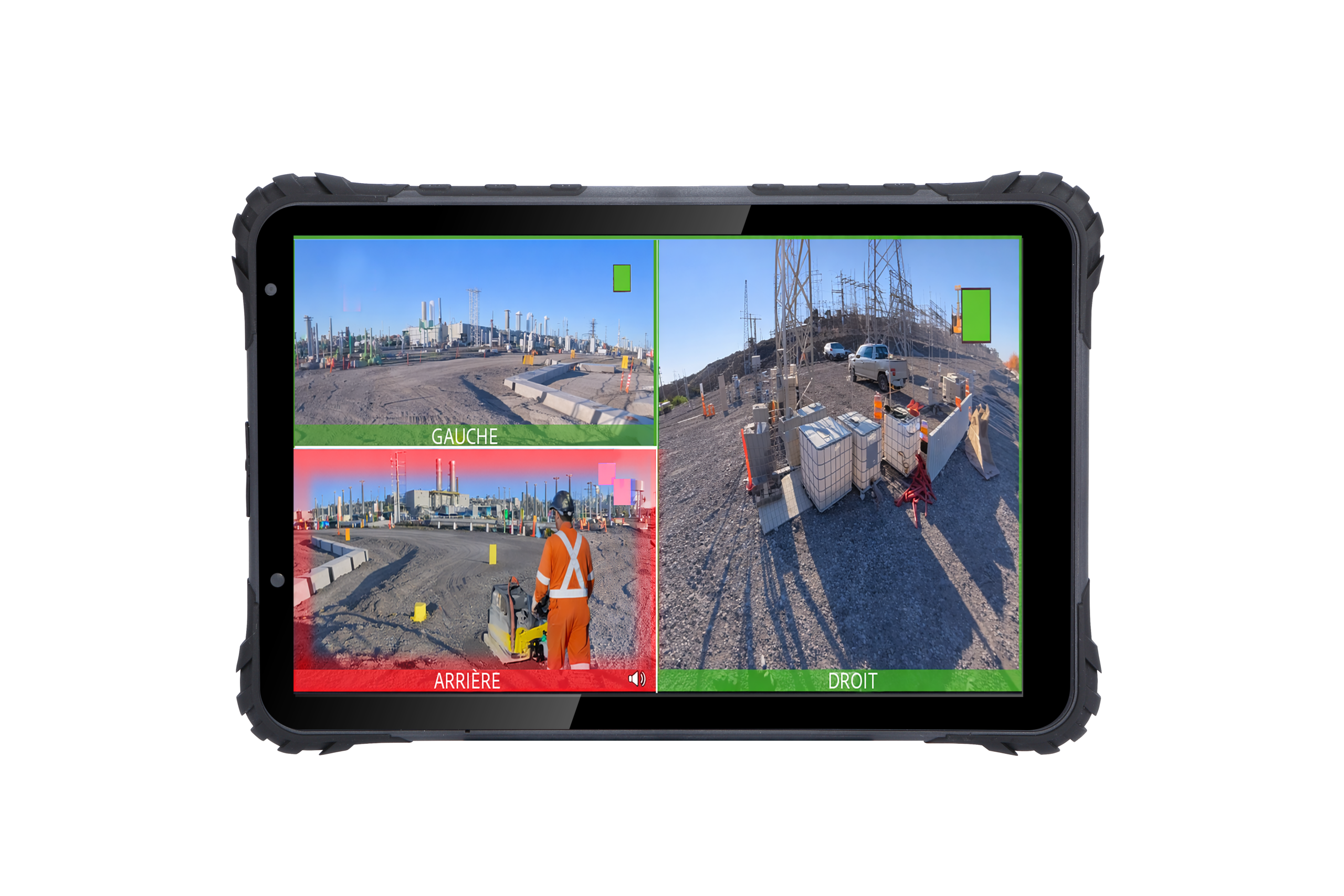 7 or 10″ Blaxtair Display